
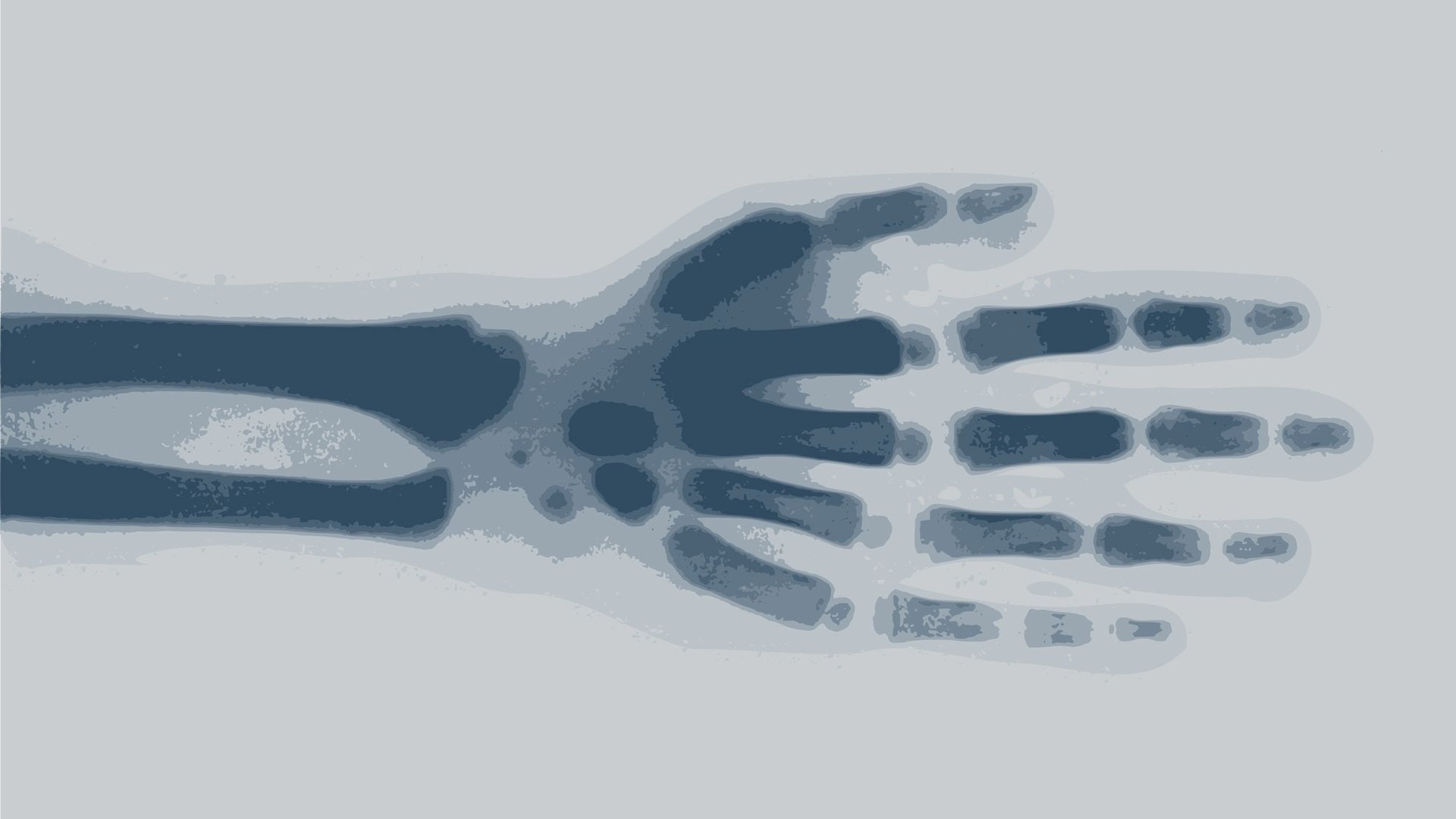
ORTHOPEDIC FRACTURE CARE
Hand Fractures
Restoring strength and function
Our hands are intricate tools, essential for countless daily tasks. A broken bone in your hand can disrupt your life, making even simple ativities difficult.
Whether it's a fall, a sports injury, or an accident, a hand fracture requires prompt and specialized care.
UNDERSTANDING HAND FRACTURES
STABLE FRACTURES:
The broken bone pieces remain aligned.
UNSTABLE FRACTURES:
COMMINUTED FRACTURES:
The bone shatters into multiple pieces.
The bones in our hands provide the framework for strength and flexibility. A fracture occurs when one or more of these bones experience a force greater than they can withstand.
Bone fragments have shifted out of place.
OPEN FRACTURES:
A bone fragment breaks through the skin, increasing the risk of infection.
Fractures can vary in severity:
RECOGNIZING THE SIGNS
OF A HAND FRACTURE
If you suspect a broken hand, it's crucial to seek medical attention. Common signs and symptoms:
PAIN AND TENDERNESS
SWELLING AND BRUISING
LIMITED RANGE OF MOTION
DEFORMITY, SUCH AS A CROOKED FINGER
COMPREHENSIVE FRACTURE CARE
As an orthopedic surgeon specializing in hand conditions, Dr. Ballard's comprehensive approach to your care includes:
Accurate diagnosis: Through a physical examination and X-rays, the type and extent of your fracture will be determined.
Personalized treatment: A tailored treatment plan will be based on your specific needs, which may entail:
Immobilization: Splints or casts to stabilize the fracture and promote healing
Reduction: Gently realigning the bone fragments, if necessary
Surgical intervention: For complex fractures, surgery may be recommended to precisely realign the bones and secure them with pins, plates, or screws
Rehabilitation: You'll be guided through a customized rehabilitation program to restore strength, flexibility, and function to your hand.
With proper treatment and rehabilitation, most hand fractures heal successfully. However, it's essential to be aware of potential complications:
Early mobilization and hand therapy are crucial to prevent stiffness. Delays in bone healing can be hindered by smoking and certain medical conditions.
STIFFNESS
INFECTION
Open fractures require meticulous wound care to prevent infection.
YOUR PATH TO RECOVERY
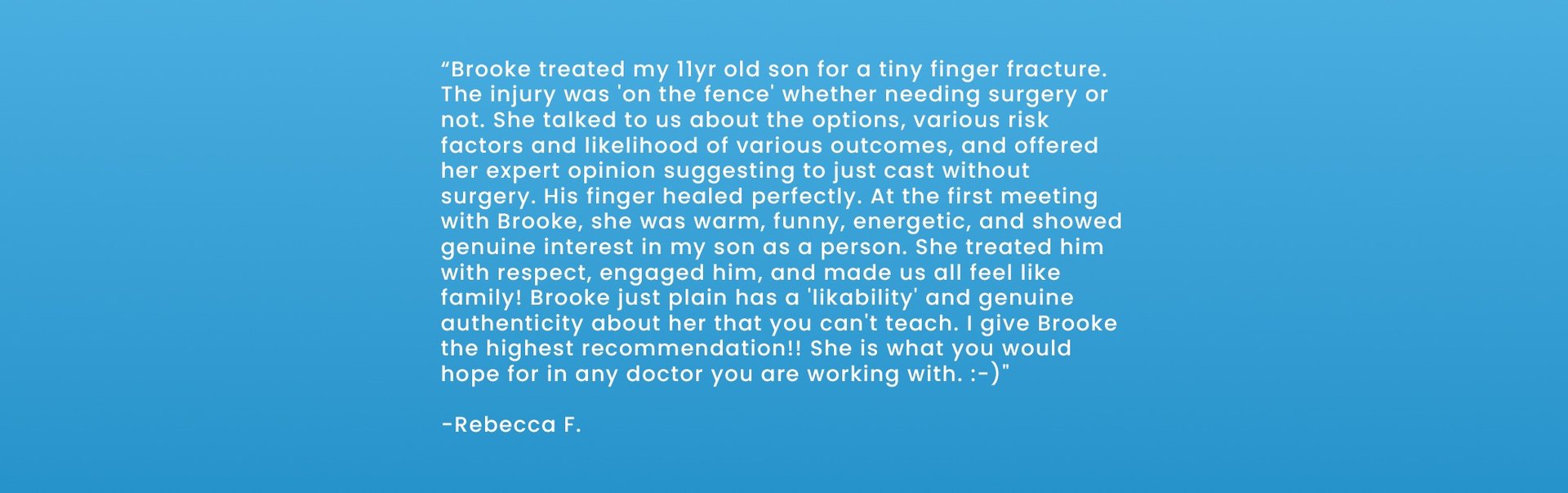
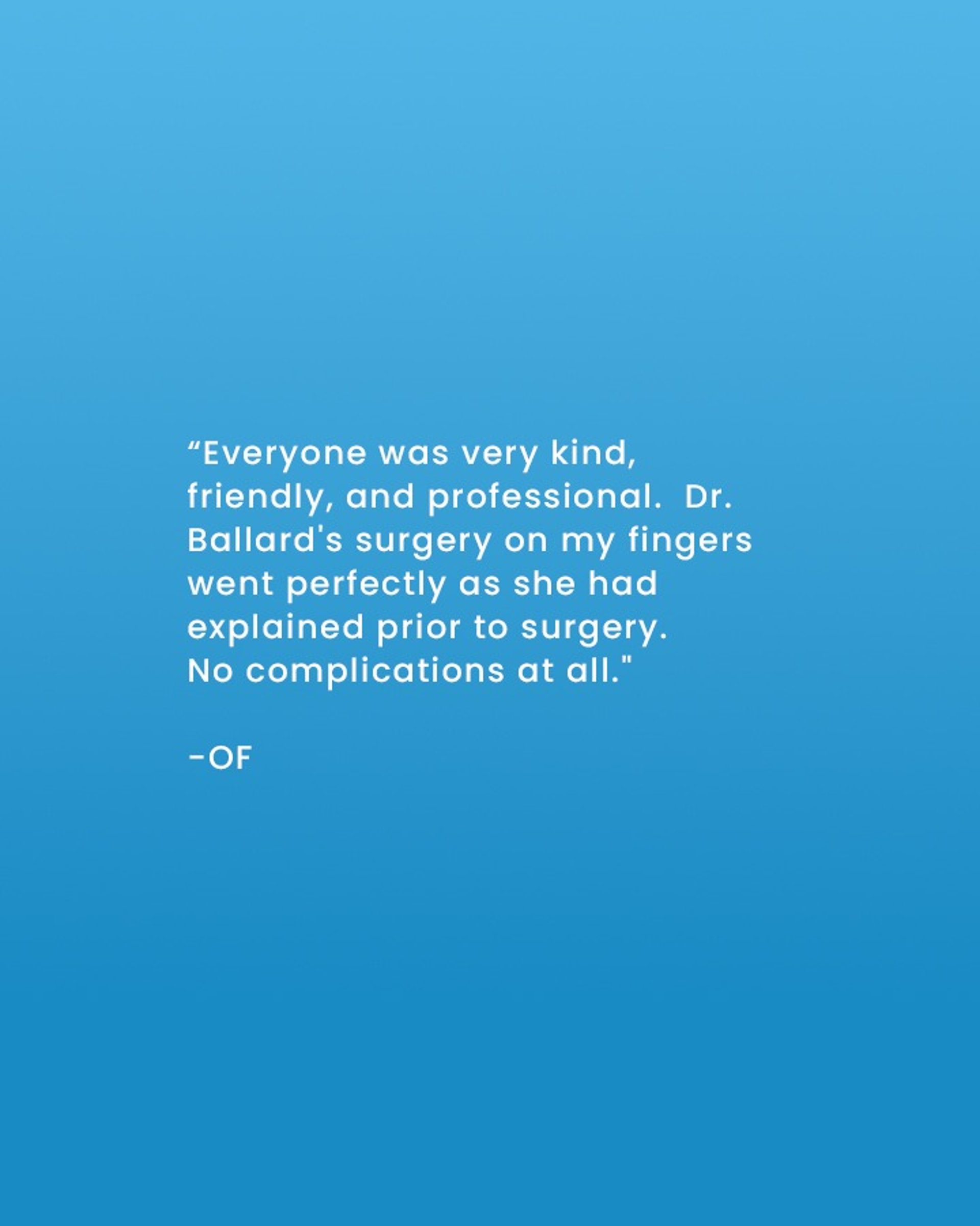
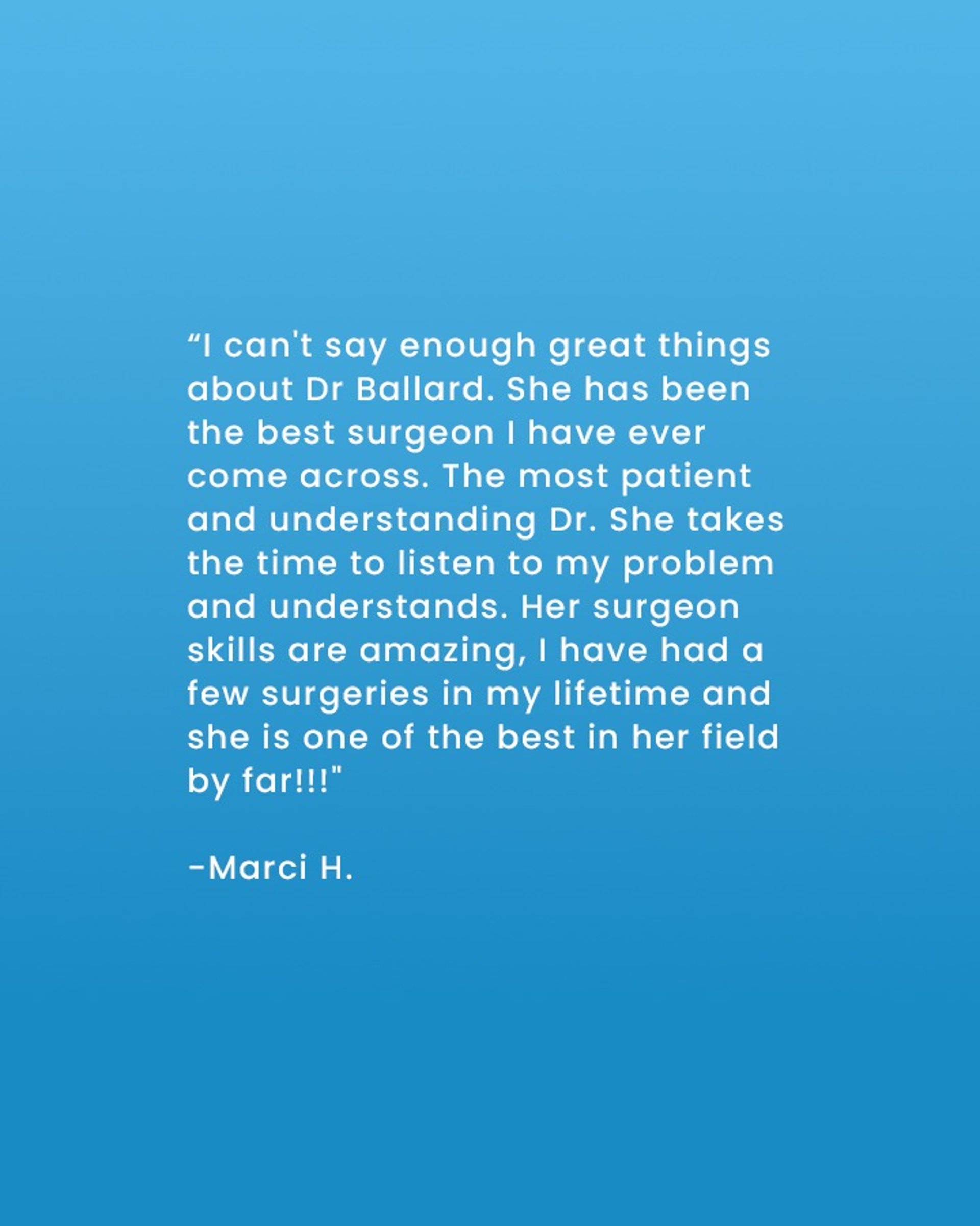
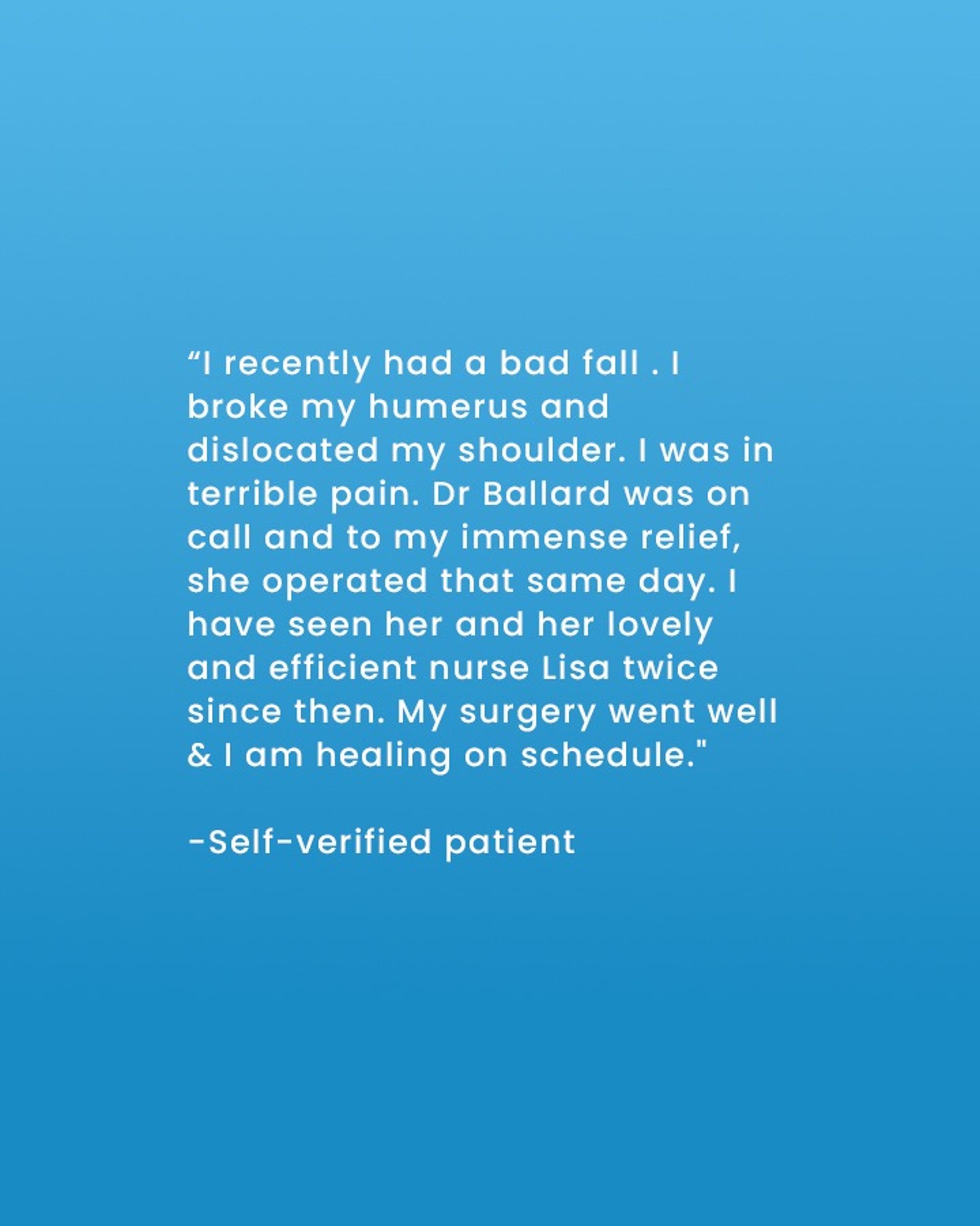
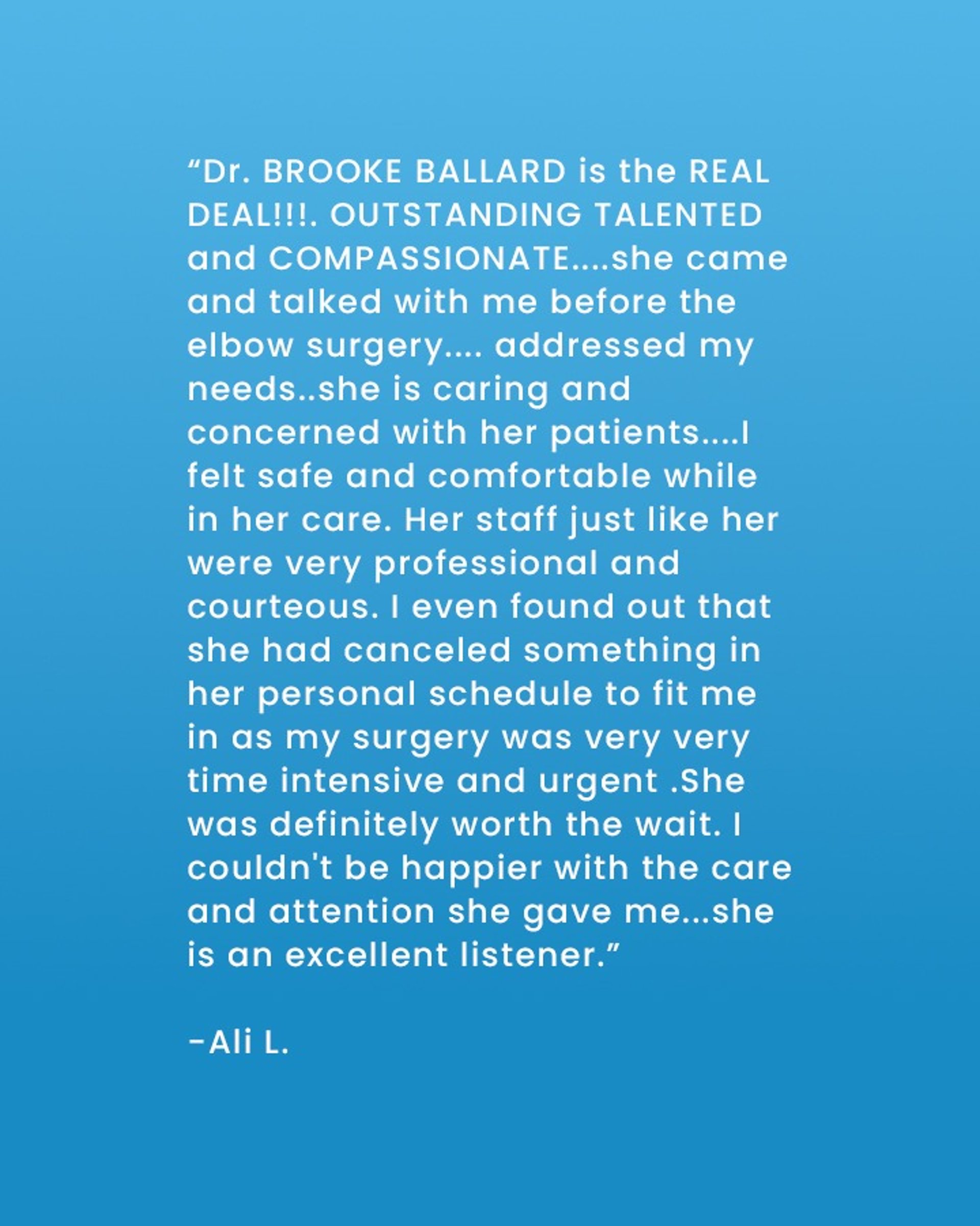
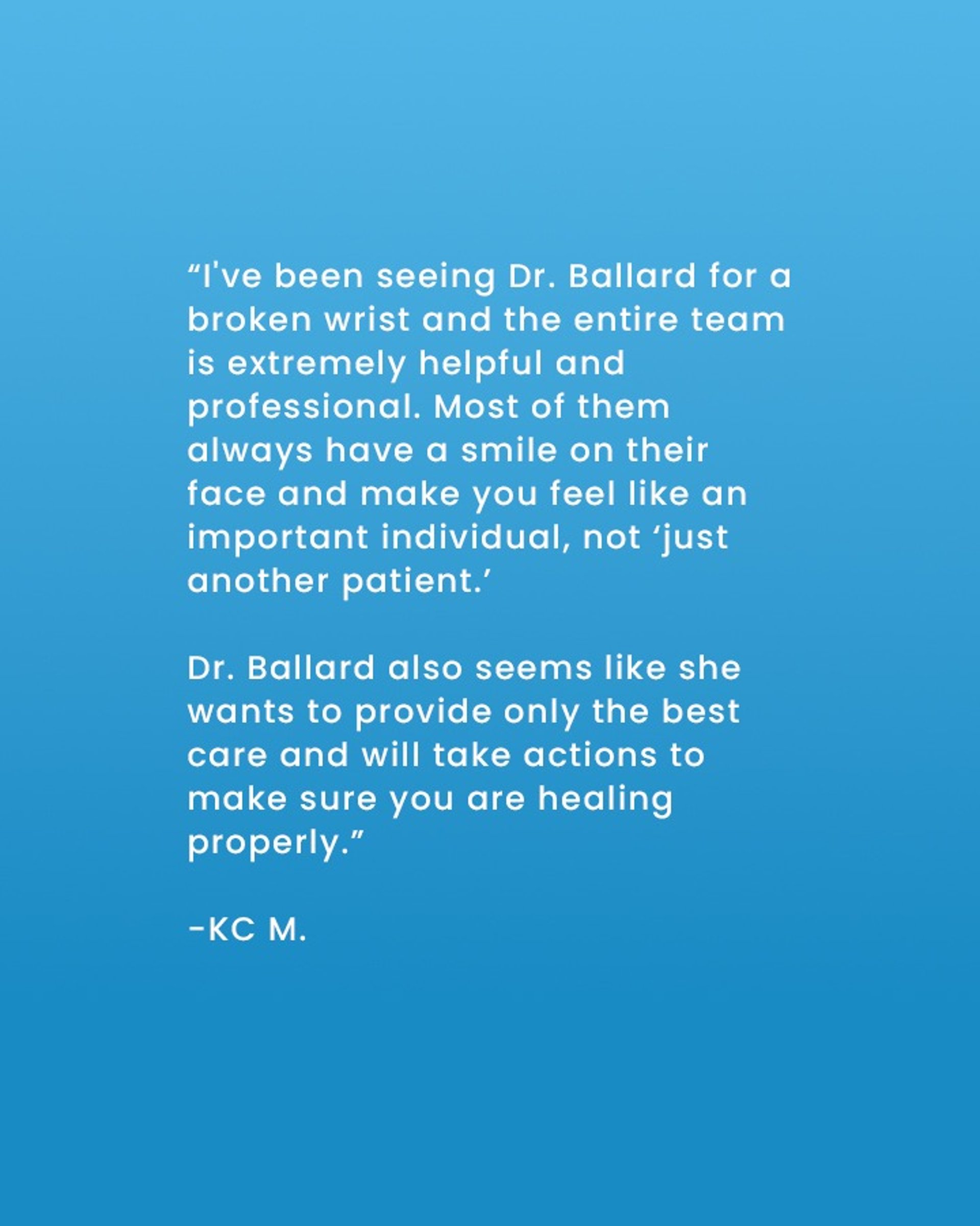
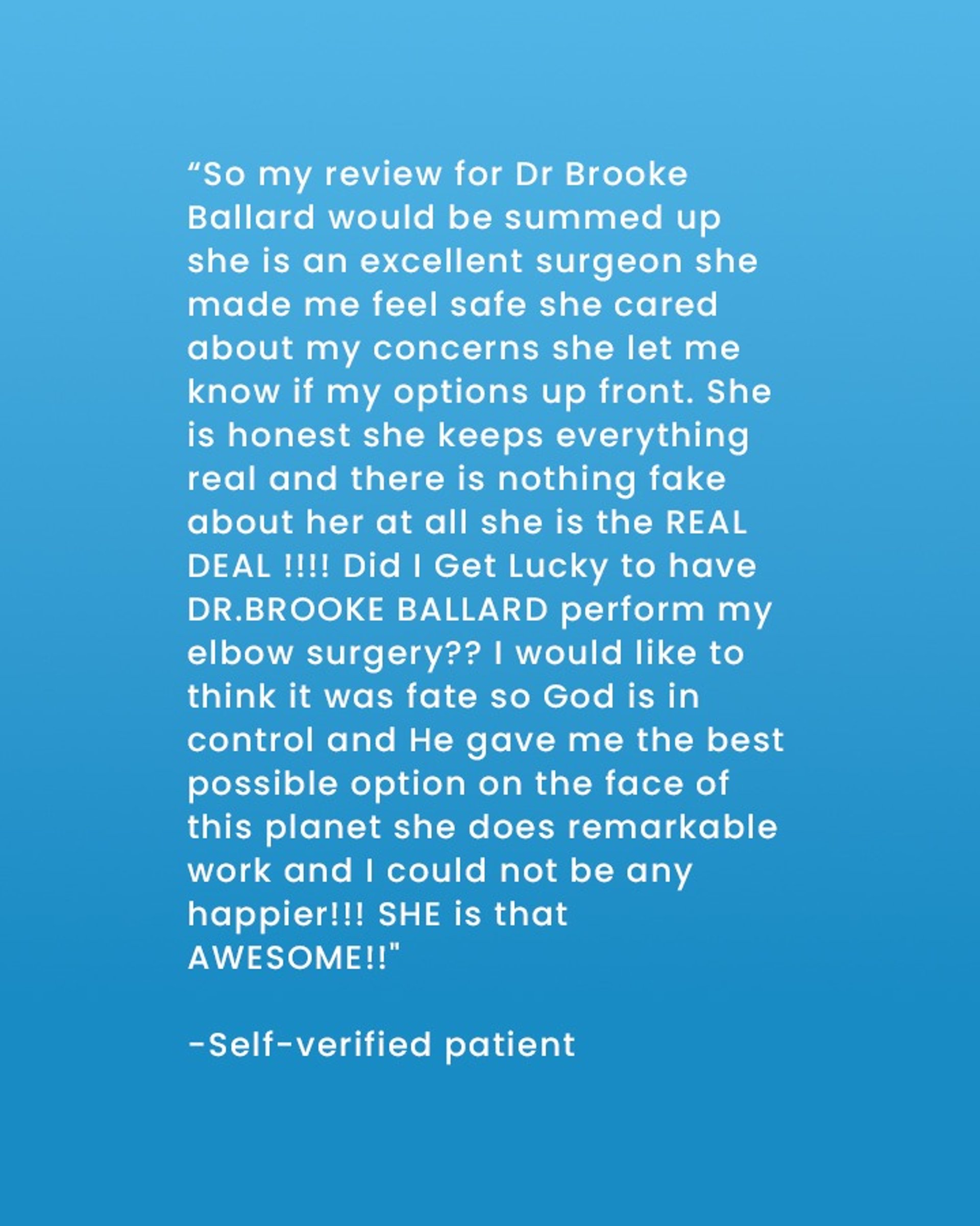
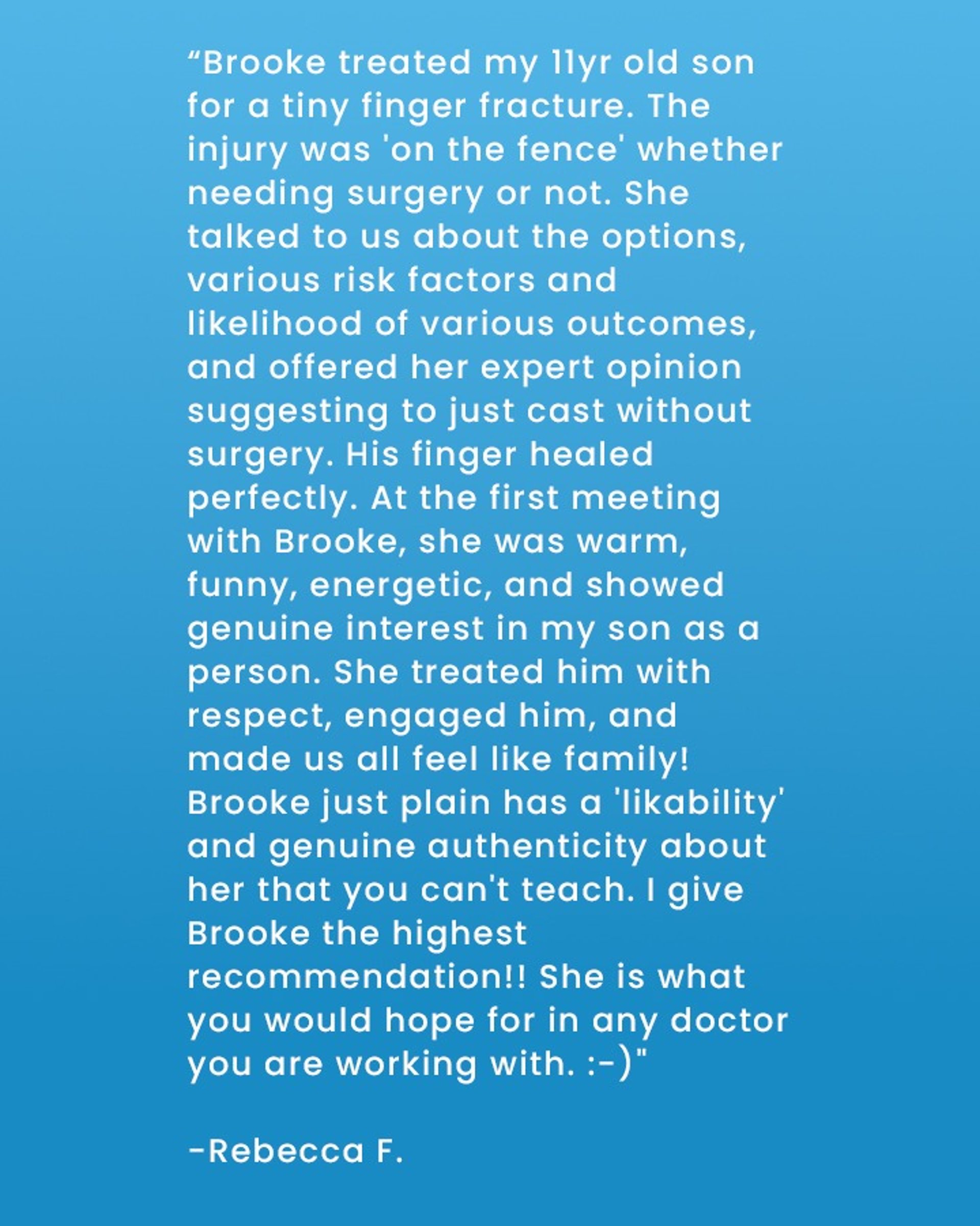
TESTIMONIALS FROM DR. BALLARD'S PATIENTS:




OFFICE: 760-750-1902
FAX: 760-750-1906
SDHANDCENTER@GMAIL.COM
SAN DIEGO HAND CENTER
A proud participant of


and


277 RANCHEROS DRIVE
SUITE #101
SAN MARCOS, CA 92069
Copyright © San Diego Hand Center. All Rights Reserved.